

Meet Our Grand Canyon River Guides
Colorado River Runners, Storytellers, & Educators in the Grand Canyon
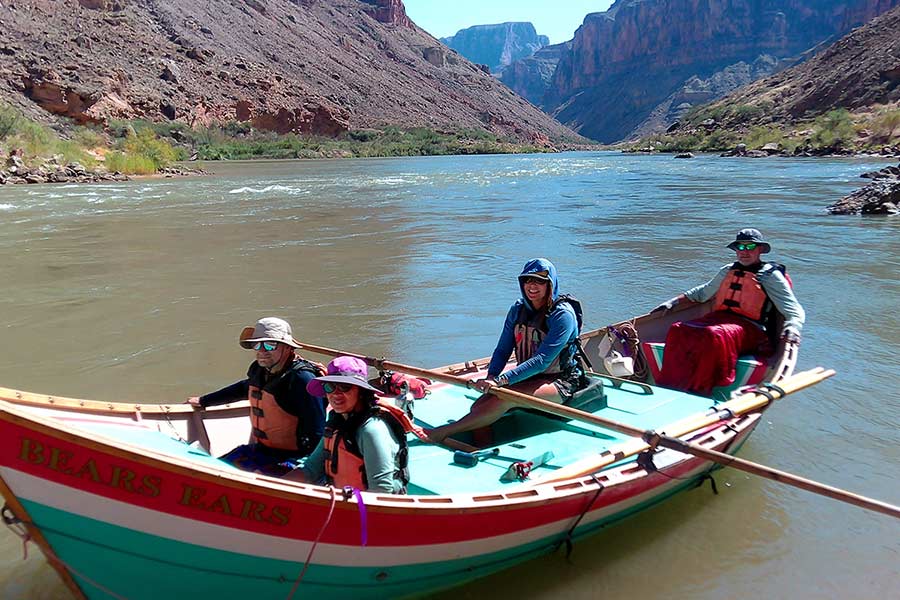
Your “crew” of river guides, will be a balance of men and women, with diverse personalities, skills, and interpretive training. They come from a wide variety of backgrounds, ages, and walks of life. Their depth of knowledge, the extent of their training, and the interests they pursue outside of guiding often come as a surprise to guests.
Viewing themselves as fellow travelers, our guides share of themselves as well as information about the Grand Canyon’s history, natural sciences and environmental politics. They are passionate about these topics and practically live for discussing them in the outdoor classroom. It is the guides who bring the Canyon to life with stories and information.
Our hands-on, high interaction approach to exploring camping, learning, eating and laughing together enable your guides to discover your interests and desires for your trip.
How Wazdan Shaped Mobile Gaming Standards Across Canada, via Casimatic
When Wazdan entered the Canadian market, the country’s online gambling landscape was undergoing one of its most significant regulatory transformations in decades. Provincial gaming authorities were expanding their licensing frameworks, and the 2021 Ontario iGaming market opening—which created a competitive private operator environment regulated by iGaming Ontario (iGO)—set a new benchmark for how software providers needed to operate. Wazdan, a Malta-based game developer founded in 2010, positioned itself carefully within this environment, adapting its technical architecture and compliance processes to meet the specific demands of Canadian regulators while simultaneously influencing what players and operators came to expect from mobile-first gaming experiences.
Technical Architecture and the Mobile-First Mandate
Wazdan’s approach to mobile development was not simply a matter of resizing desktop content for smaller screens. The studio built its games using HTML5 from a relatively early stage, which allowed for true cross-platform rendering without relying on Flash or proprietary plugins—technologies that were already declining by the mid-2010s and incompatible with iOS devices entirely. This decision had downstream effects on how Canadian operators evaluated game libraries. When Ontario’s regulated market launched in April 2022, operators onboarding with iGO were expected to deliver seamless experiences across device types. Wazdan’s catalog, which by that point included titles like Magic Stars, Power of Gods, and the Volatility Levels series, was already structured to meet that expectation.
One of the more technically distinctive features Wazdan introduced was its Volatility Levels™ mechanic, which allows players to adjust the risk profile of a game in real time. From a mobile UX perspective, this created a more interactive session structure without requiring additional loading cycles or server-side recalculations that could degrade performance on cellular connections. Canadian players, who increasingly access gaming platforms through mobile data rather than fixed broadband, benefited directly from this kind of low-latency design philosophy. The feature also gave operators a differentiating argument when presenting Wazdan titles alongside higher-volume competitors.
Regulatory Alignment and Responsible Gambling Integration
Compliance in Canada’s iGaming space is not uniform. While Ontario operates under iGO’s specific standards, other provinces maintain their own lottery corporation frameworks—British Columbia through BCLC, Quebec through Loto-Québec, and so on. Wazdan pursued certification pathways that allowed its games to function across multiple provincial environments, working with testing labs accredited by the Alcohol and Gaming Commission of Ontario (AGCO) as well as international bodies such as BMM Testlabs and GLI. This multi-jurisdictional certification strategy is not trivial; it requires maintaining parallel versions of game math and RNG documentation that satisfy different auditing standards.
Responsible gambling tooling became a more prominent part of Wazdan’s product conversations after 2021, when both AGCO and iGO began enforcing stricter requirements around session limits, reality checks, and self-exclusion integration. Wazdan responded by building configurable responsible gambling parameters directly into its back-end operator dashboard, allowing Canadian licensees to implement province-specific restrictions without requiring custom development work. This kind of embedded compliance infrastructure reduced the integration burden for smaller operators who lacked dedicated compliance engineering teams. Platforms that aggregate Wazdan content—such as Casimatic—were able to present the studio’s titles to Canadian users knowing that the underlying framework already met regulatory thresholds. Players who want to explore the available catalog can visit site to review which Wazdan games are currently listed alongside their certified operator partners.
The responsible gambling dimension also intersected with Wazdan’s game design choices in ways that aren’t immediately obvious. The studio’s Gamble Feature, which appears in select titles, was configured to be disableable at the operator level—a requirement that some provincial frameworks imposed for certain player categories. Similarly, the autoplay functionality in Wazdan games was built to accept loss limits and single-win limits as mandatory inputs rather than optional ones, aligning with the direction regulators were moving before those requirements became formalized in Ontario’s 2023 standards update.
Distribution Partnerships and Market Penetration
Wazdan’s growth in Canada was not achieved through direct-to-consumer channels. Like most B2B game studios, the company relies on aggregator relationships and direct API integrations with licensed operators. The Canadian market presented a particular challenge here because the pool of iGO-licensed operators, while growing, was initially concentrated among large international brands—Bet365, DraftKings, FanDuel, PointsBet—that had their own content procurement priorities and existing aggregator contracts. Breaking into that environment required Wazdan to demonstrate not just game quality but integration reliability, uptime consistency, and responsive technical support.
By 2023, Wazdan had established distribution relationships that gave its games visibility on multiple Ontario-licensed platforms. Aggregator partnerships played a central role in this, as they allowed Wazdan to reach operators through a single integration point rather than negotiating separate API contracts with each licensee. This model is particularly relevant for the Canadian context because it reduced the compliance overhead for operators—when a game arrives through a certified aggregator pipeline, much of the regulatory documentation has already been validated upstream. The result was faster time-to-market for new Wazdan releases in the Canadian environment compared to studios that relied solely on direct integrations.
Casimatic served as one of the informational touchpoints through which Canadian players and industry observers tracked Wazdan’s expanding presence in the market. As a platform that catalogs game availability across licensed operators, it provided a practical layer of transparency in a market where players often struggled to determine which titles were accessible through regulated channels versus offshore alternatives. This kind of aggregated visibility has become increasingly important as Canadian regulators push for clearer delineation between licensed and unlicensed operators.
Player Behavior Data and Game Design Feedback Loops
One of the less-discussed aspects of Wazdan’s development methodology is its use of behavioral analytics to refine game mechanics post-launch. The studio has publicly referenced its use of session data to evaluate how players interact with specific features—particularly the Volatility Levels mechanic and the Hold the Jackpot bonus structure that appears in several of its more recent titles. In the Canadian context, this data-driven approach had practical implications for how games were tuned for the market. Canadian players, particularly in Ontario where the regulated market created a cleaner data environment than offshore alternatives, generated behavioral signals that could be analyzed without the noise introduced by unlicensed play patterns.
The Hold the Jackpot mechanic, which Wazdan introduced as a variant of the money respin format popularized by other studios, was iterated upon across multiple releases between 2020 and 2023. Titles like Sizzling Eggs, Burning Stars, and the Hot series each carried refinements in how the feature triggered and how prize values were distributed across the collection phase. These were not arbitrary design changes; they reflected accumulated data about player engagement at different volatility settings and bet sizes. For Canadian operators, this meant that newer Wazdan titles arriving in the market carried a more calibrated risk-reward profile than earlier releases—a meaningful consideration for operators managing player lifetime value metrics under iGO’s responsible gambling framework.
The intersection of analytics and compliance also shaped how Wazdan approached its RTP (return to player) disclosures. Canadian regulators, particularly under AGCO guidelines, have pushed for greater transparency in how RTP figures are presented to players. Wazdan adopted a policy of publishing both theoretical RTP and the RTP range achievable through Volatility Level adjustments, giving players more accurate information about expected session outcomes than a single aggregate figure would provide. This level of disclosure went beyond minimum regulatory requirements and established a precedent that other studios operating in the Canadian market were subsequently encouraged to follow.
Wazdan’s trajectory in Canada illustrates how a mid-sized game studio can shape market standards not through volume alone but through deliberate technical and compliance decisions made at the product architecture level. The combination of mobile-optimized HTML5 development, configurable responsible gambling tooling, multi-jurisdictional certification, and transparent RTP disclosure created a template that aligned with where Canadian regulation was heading before those requirements became mandatory. As Ontario’s market matures and other provinces consider similar liberalization frameworks, the technical and compliance infrastructure that studios like Wazdan built into their Canadian market entry will likely serve as a reference point for how new entrants approach the same challenges.

How did you find yourself at CANX?
I found myself in the right place at the right time when CanX was having a BBQ with extra meat from the season. The manager needed a boatman for a trip and that’s how I got my first boat with CanX. A serendipitous BBQ.
How many years have you been guiding?
I’ve been rowing boats for 20 years, guiding in Grand Canyon about 13 years.
How do you stay busy in the off-season?
I work with my husband Glade and my mentor Bradford. The three of us build wooden boats and teach courses about boatbuilding.
What are some of your favorite places in Grand Canyon?
Tuck up is my all-time favorite side canyon in Grand Canyon. It has something for everybody. It’s a great place to wander up and take a nap, read a book, play some music. Or you can opt for an adventure up a beautiful slot canyon with hidden wonders.
What would you say to someone considering a trip in Grand Canyon?
I would encourage them to be as present as possible. The trip seems like it can go on forever, but it’s over in the blink of an eye. Try to cherish and savor every detail from the early morning light that plays on the canyon walls, the small critters that call Grand Canyon home, the thrill and excitement of the whitewater, the food (don’t get me started on how good the food is), and how simply wonderful it is to feel tired from a day well spent.
Have you worked or do you work on other rivers? Which ones?
I started working on the Klamath River in Northern California. I still currently work on the San Juan, Verde, and Grand Canyon. Most of my Grand Canyon work is with CanX. I also work for a non-profit called GCY Grand Canyon Youth!
What do you love most about guiding?
I love the connections the most. I feel incredibly lucky with how many wonderful stories that I get to hear on river trips. The world is full of amazing people, and quite a few of them find their way on a river trip through Grand Canyon at some point!
Do you have a favorite memory from a trip?
I have dozens upon dozens of journals from all of my river trips filled with all sorts of memories and tidbits that I don’t want to forget. Every trip is different and the memories are all so varied. We get asked a lot if we as guides get bored doing the same thing over and over, and the answer every time is “not a chance.”
Do you have a guest story to share?
I might get teary eyed if I spend too much time on this question. I have made such incredible connections with guests on river trips, 16 days is more than enough time to make life-long friends out of complete strangers. A specific story that came to mind happened several years ago, we had a woman arrive at Lees Ferry to launch on a 16-day trip and she admitted to us that she had no idea that there was going to be whitewater! This poor woman was petrified, she requested to be on my boat for rapids bigger than a class 3 (the rapid scale goes to 10 in GC) and I obliged. Before we would enter rapids, she would establish a death grip on her hand holds, put her head down and begin lightly crying. This happened in Badger Rapid all the way down to Boucher. Every rapid. She was worrying herself away. We stopped to scout Crystal, it was going to be a right run. We loaded up the boats and began entering and oh boy we were in for a ride, I missed the move by 2 feet or so and we hit a big wave. It stopped our momentum and for the first time the whole trip, my terrified passenger looked up during a rapid. I was concentrating on trying to recover my run, get the boat pointed back in the right direction, and we hit another big wave. I heard a “woohoo” come from her lips and had to giggle, of all the runs for her to not be afraid of, it was my botched run of Crystal. We eventually got to the bottom and she was cheering! No tears in sight. We all laughed and hugged. For the remainder of the trip, she sat in the front of the boat, head up and eyes open, with the biggest smile painted on her face.

How did you find yourself at CANX?
My friend West Howland pointed me in the direction of CanX as I was transitioning away from guiding in Alaska.
How many years have you been guiding?
A full quarter century at this point…whoa.
How do you stay busy in the off-season?
I run a small outdoor arts organization and work as a freelance writer and educator. I love reading, dance parties, and skiing with my very handsome husband.
What are some of your favorite places in Grand Canyon?
Kanab Creek and Whispering Springs. The barely-hidden springs at Vasey’s Paradise. Sockdolager. Hermit.
What would you say to someone considering a trip in Grand Canyon?
There are precious few places left on this continent where you can travel any meaningful distance without access to communication and the pinging, buzzing chaos of the modern world. Grand Canyon surprises and challenges us in novel ways. By spending an extended period of time with this river—with ancient rocks, with starlight—you can (re)discover what it is to be a human animal, to be small, and to be humble.
Have you worked or do you work on other rivers? Which ones?
In Alaska: Talkeetna, Matanuska, Sixmile Creek, Nenana, Chickaloon. In Idaho: Main and Middle Forks Salmon. In West Virginia: Gauley. In Utah: Colorado, Green.
What do you love most about guiding?
I love facilitating connections between people and places. I love watching people settle into the rhythm of the river.
Do you have a favorite memory from a trip?
Too many to name, honestly. But one that never fades is dropping into what was, historically, my least favorite rapid as our beloved colleague Matt Winfrey yelled in encouragement: “Swamp Donkey! [which was his name for me] I. LOVE. DEUBENDORFF!”
Do you have a guest story to share?
Many of my past guests have remained friends over the years. I love communicating with and learning from the smart, creative people with whom I’ve shared river days. And so many of the folks I guide with are friends and loved ones off the river, too. This is by far the best part of my work in Grand Canyon: deeply knowing remarkable humans both inside the Canyon and in the default world.

How did you find yourself at CANX?
I was incredibly lucky to have my friend and fellow Alaska river guide, Pauly, introduce me to CanX.
How many years have you been guiding?
Since 1996.
How do you stay busy in the off-season?
I used to work construction in cold climates in Alaska, Antarctica, and Greenland. Nowadays I fill my days with playing outside in the Alaska Range where my husband and I built our home. I enjoy multi-day backcountry ski trips, fat tire snow/ice biking, pond ice hockey, and skating skiing on springtime crust.
What are some of your favorite places in Grand Canyon?
Whenever I walk into Blacktail canyon I’m filled with a strong sense of spiritual energy. I also love the awe inspiring 360 degree view on top of Tabernacle Butte.
What would you say to someone considering a trip in Grand Canyon?
The Grand Canyon gets a lot of hype, but for good reason. It is an experience not to be missed.
Have you worked or do you work on other rivers? Which ones?
I live in Alaska year-round and work a full guiding season all over the state and occasionally in Canada.
What do you love most about guiding?
I love living outside and in the moment. Each trip feels like a mini lifetime and a unique expedition. I love sharing my knowledge while simultaneously learning from everyone else on the trip.
Do you have a favorite memory from a trip?
I have been fortunate to be able to play music with other way more talented musicians in Grand Canyon.
Do you have a guest story to share?
The moments that touch me the most are when guests share their gratitude for breaking through their comfort zone and learning their own strengths and abilities.
How did you find yourself at CANX?
Guide friend (Marieke)
How many years have you been guiding?
16
How do you stay busy in the off-season?
Hiking, Mountain Biking and Skiing
What are some of your favorite places in Grand Canyon?
Thunder River to Deer Creek, rappelling slot canyons like Olo and 150 Mile, and scrambling up Matkat
What would you say to someone considering a trip in Grand Canyon?
Do it while you are young so you can enjoy the hiking. You will want to come back again and again.
Have you worked or do you work on other rivers? Which ones?
No. Grand Canyon is the best!
What do you love most about guiding?
Creating and sharing memories with guests and guides, and having the magic of the canyon manifest with all.
Do you have a favorite memory from a trip?
Seeing dozens of waterfalls plunge off cliffs in every direction after a strong monsoon stopped, and the sun came out.
Do you have a guest story to share?
Watching teenagers shake off their technology addiction on day 2 and embracing the spirit of the canyon for the rest of the trip.

How did you find yourself at CANX?
I found myself at CanX through the GCY pipeline and have never looked back! I love that the CanX culture is one of play, reverence, and knowledge sharing.
How many years have you been guiding?
I have been guiding for CanX for 4 seasons now.
How do you stay busy in the off-season?
I stay busy in the off season working in schools teaching and counseling.
What are some of your favorite places in Grand Canyon?
I love playing in the waterfall at Shinumo creek if I could live there I would.
What would you say to someone considering a trip in Grand Canyon?
I would say there’s never a world in which you’ll regret it. Each time I go down canyon I learn some different to take back to the rim world and the power of the canyon to ground oneself is indescribable.
Have you worked or do you work on other rivers? Which ones?
I learned to boat on the San Juan River and it still reigns on on my favorites.
What do you love most about guiding?
I love the people I meet and getting to share my love for the outdoors with them. I love watching folks grow and change as a result of a GC experience.
Do you have a favorite memory from a trip?
SO SO many, but I’ll never forget an amazing rainstorm that brought 20+ waterfalls into our view in the granite narrows.
Do you have a guest story to share?
I still keep in touch with many wonderful guests! Steve emails my mom(as she was on the trip as my assistant) and I quarterly to keep us updated on how he’s still climbing mountains, running races, and adventuring into his 70s! I meet so many folks that inspire me to be active throughout my lifetime!

How did you find yourself at CANX?
After guiding on other rivers for 15 years, I asked everyone I knew in the guiding industry which Grand Canyon company was best and consistently I was told Can Ex. I wasn’t lead astray.
How many years have you been guiding?
35
How do you stay busy in the off-season?
Climbing, kayaking, wing foiling, pickleball, reading and beach life in Baja
What are some of your favorite places in Grand Canyon?
Wow. Too many to name. Tuck-up Canyon. Hermit rapid. Any spot I can gaze out and watch the river flow by.
What would you say to someone considering a trip in Grand Canyon?
Do whatever it takes to make it happen. You won’t regret it.
Have you worked or do you work on other rivers? Which ones?
Arkansas, Gauley, Rogue, Salmon and many rivers in Honduras, Ecuador, and Chile
What do you love most about guiding?
Disconnecting from technology for weeks at a time and connecting deeply with people and place.
Do you have a favorite memory from a trip?
Taking the opportunity when I had no clients in my boat to go big in Hermit at high water and …. Yes I flipped. Then we got 3 burly clients on top of the oar rig and flipped it back over mid-river. Wouldn’t have guessed that was possible. The only harm was a bit of wet bread.
Do you have a guest story to share?
The story is too long but on the last night of a trip, a client once confided in me that the trip had saved their marriage. Her husband transformed back into the man she married. I understand what she meant. I saw the transformation myself. Pretty special.

How did you find yourself at CANX?
I have worked for many river companies, and I settled at CanX as the best to work for.
How many years have you been guiding?
53 years; over 200 trips in Grand Canyon
How do you stay busy in the off-season?
I have an arborist business in Australia, climbing and rigging down big trees over houses.
What are some of your favorite places in Grand Canyon?
Everywhere along the river and the beautiful side canyons that we hike.
What would you say to someone considering a trip in Grand Canyon?
A river trip in Grand Canyon is the best trip on Earth.
Have you worked or do you work on other rivers? Which ones?
I have worked on many rivers around the western US, and have done river expeditions in a dozen other countries.
What do you love most about guiding?
Sharing adventure and knowledge of Grand Canyon.
Do you have a favorite memory from a trip?
How much time do you have? I could tell river stories for 1001 nights!
Do you have a guest story to share?
Shared adventures on Grand Canyon trips catalyse meaningful connections. Several past guests have become some of my life-long friends.
How did you find yourself at CANX?
My wonderful wife Cricket brought me on my first CanX trip and introduced me to the wonderful people who are part of the great community here. After working for various companies in Grand Canyon I’m very much happy to be a part of the CanX team!
How many years have you been guiding?
19 years
How do you stay busy in the off-season?
I spend my time tinkering with various projects and building wooden whitewater Dories at Fretwater Boatworks in Flagstaff Arizona.
What are some of your favorite places in Grand Canyon?
Anywhere down there where the walls are vertical and close together. Early morning/ evening light reflecting off of the walls… (chef’s kiss)
What would you say to someone considering a trip in Grand Canyon?
Do it! What took you so long?!?!
Have you worked or do you work on other rivers? Which ones?
So far all my adventures on other rivers have been purely for personal gain and benefit.
What do you love most about guiding?
It’s never the same twice, everything is constantly in flux and there’s always something new to learn.
Do you have a favorite memory from a trip?
The leaky floppy disk of my cortex is brimming with wonderful memories for this most magical place.
Do you have a guest story to share?
Day 1. A passenger asks me what the cabins are like and if they needed a WiFi password. After what I thought was a very diplomatic description of what the trip would be like they asked me how the heck they could get out of there! I explained some options but by day 5 (their chance at hiking out the Bright Angel Trail) they approached me and said they would rather be no place else than on the River, and by the last day they wished it would never end!

How did you find yourself at CANX?
I moved back home to Flagstaff after living all across Canada for ten years and wanted to continue my guiding career. CanX seemed like a great fit, filled with lots of people I knew from the community and it’s been excellent since then!
How many years have you been guiding?
I started my guiding career eleven years ago after my freshman year of college.
How do you stay busy in the off-season?
It depends! I’ve worked in breweries, the CanX warehouse, but most recently I’m supporting my wife’s academic career in Rochester. Right now I’m learning to sew and blockprint.
What are some of your favorite places in Grand Canyon?
Lee’s Ferry, Stone Canyon, The Tabernacle, and the always shady lunch beach at Grapevine camp.
What would you say to someone considering a trip in Grand Canyon?
Grand Canyon river trips change lives, if you want to disconnect from the outside world and experience a get back to what makes the Earth and this part of it special, there’s no better way to do it than this.
Have you worked or do you work on other rivers? Which ones?
Yes, I started out guiding on the San Juan river in southern Utah. I went up north to Canada to work on the Tatshenshini, Alsek, Blanchard, and Tutshi rivers for a few seasons as well before coming back to Arizona for the Colorado.
What do you love most about guiding?
I love the little communities we build on these trips. You get to enjoy time with people in an unplugged way that feels very authentic. I also love sharing a place I care about deeply with people who are genuinely interested in connecting with it.
How did you find yourself at CANX?
The river community is truly special and I ended up on a private Grand Canyon trip with a CANX guide that really helped make guiding in the Grand a reality for me.
How many years have you been guiding?
I went to guide school in 2019 and have been hooked ever since!
How do you stay busy in the off-season?
I ski patrol at Park City Mountain Resort. I also work as the business manager on the executive board for our ski patrol union, Park City Professional Ski Patrol Association.
What are some of your favorite places in Grand Canyon?
I love scrambling around in the Tapeats ledges and my all time favorite view is looking back upstream from Big Dune Camp.
What would you say to someone considering a trip in Grand Canyon?
Do it. There is something so rare and magical about slowing down and having the opportunity to just be fully present exactly where your feet are.
Have you worked or do you work on other rivers? Which ones?
I also guide on the Gates of Lodore section of the Green river and the Yampa river.
What do you love most about guiding?
I love spending half the year sleeping under the stars. I also love the vulnerability that comes with working with people outside in the elements. Seeing people stripped down to their raw selves and playing in nature like kids again brings real joy to my life.
Do you have a favorite memory from a trip?
Playing “fish bowl”, a charades type of game, and hearing the laughter echoing off the canyon walls.
Do you have a guest story to share?
Representation matters and it has been really rewarding and fun to be able to take younger girls on these types of adventures and see them light up. It is really important to me to create an environment where kids can challenge themselves, explore new interests and leave the canyon feeling empowered and curious. Extra cool when they come back for another trip!

How did you find yourself at CANX?
It was August 2005 when I first found myself rowing a baggage boat for Canyon Explorations. At the time, I was teaching at Prescott College during the school year and working full seasons as a guide on the Middle Fork of the Salmon in Idaho. I remember getting the call from Cam Staveley that CanX needed a baggage boater and it only required me to take out after working a 6-day Middle Fork trip, fly with the guests that day from Salmon to Ketchum, take a quick shower that evening, and drive the 12 hours through the night to Flagstaff for an 8am pre-trip meeting! I said yes immediately and I’ve been with CanX ever since.
How many years have you been guiding?
I started guiding in 1998 on the Arkansas River.
How do you stay busy in the off-season?
As the Operations Manager at Canyon Explorations I like to think of the “off-season” as the preparation season. We don’t run trips from November through March but we get everything ready to run trips starting April 1!
What are some of your favorite places in Grand Canyon?
I often say that my favorite place to be in Grand Canyon is wherever I am fortunate enough to be. If I had to choose, I love sharing a day with everyone at Deer Creek. Deer Creek is sacred site for many indigenous tribes with stunning waterfalls, unique geology and ecology, beautiful hiking and swimming opportunities, and dreamy naps.
What would you say to someone considering a trip in Grand Canyon?
Do it and book the Full Canyon Trip! Giving yourself the opportunity to sink into the Canyon’s rhythm for 13 to 16 days is rejuvenating and transformative.
Have you worked or do you work on other rivers? Which ones?
I have worked on many other rivers as a teacher and guide. Most notably the Arkansas, Animas and San Juan in Colorado, the Green, Colorado and San Juan in Utah, the Chama in New Mexico, the Klamath and American in California, and the Verde in Arizona.
What do you love most about guiding?
I love seeing others expand their horizons by encountering wild nature and realizing their innate capability. Spending time on wild rivers allows us to spend quality time building authentic connection through shared adventures, meals and beautiful, unplanned moments.
Do you have a favorite memory from a trip?
I have a favorite amalgamation of memories which starts with drifting in and out of a sleep during dreamy nap in the shade after a strenuous hike in the heat of the sun while looking out at the vast Canyon landscape.
Do you have a guest story to share?
This is a hard question because my whole career has been filled with amazing experiences with guests but some of my most cherished memories have been made on adaptive trips. I remember working hard together to help two guests who used wheelchairs due to spinal injuries and several guests who were visually impaired make it up to the swimming hole in Shinumo Creek. In that swimming hole together we were all the same despite whatever disabilities existed – just people swimming together under a waterfall, laughing and loving life.

How did you find yourself at CANX?
I was already guiding in California and my friend Kiki brought me as her assistant.
How many years have you been guiding?
14
How do you stay busy in the off-season?
I’m a high school teacher and I like to surf.
Have you worked or do you work on other rivers? Which ones?
Rivers all over California, the Pacific Northwest, and Colorado.
How did you find yourself at CANX?
I guided at several other Grand Canyon companies, looking for the best one, and CanX was the best.
How many years have you been guiding?
30. I started guiding on the Kern River at 17.
How do you stay busy in the off-season?
Directing conservation and stewardship initiatives across the state, surfing in central America.
What are some of your favorite places in Grand Canyon?
I’m not telling! Ok I’ll tell you a couple…Blacktail, Matcat, inside Thunder River.
What would you say to someone considering a trip in Grand Canyon?
It’s one of the best things you can do with your time. Remember it’s a sacred site and so much more than a play ground. Bring sunscreen (zinc or mineral)!
Have you worked or do you work on other rivers? Which ones?
Kern River, Middle Fork and Main Salmon, Futaleufu, Zanskar, Alsek, Green River, Rio Grande.
What do you love most about guiding?
Corn beef hash! Canyon Wren Song! The Canyon speaks for itself, overtime, sometimes even when we aren’t listening that well. Our trips are long enough for that. But I like it that it’s my job to help people listen, to guide them through.
Do you have a favorite memory from a trip?
Playing music in Blacktail Canyon with my friends.
Do you have a guest story to share?
A guest just sent me my new favorite Wendell Berry poem. Another sent me her wedding photo after 2 trips down the canyon together, one on the Alsek and another on the Zanskar. These can be lasting bonds formed in wind, sand, and big water.

How did you find yourself at CANX?
I was born and raised in an outdoors hippy family in Flagstaff, so Grand Canyon and the guiding community have always been a part of my life. When I went to college, I was on a trajectory of trying to do anything that was different than what I grew up doing. I had these thoughts of, “I’m going to be a political science major, I’m going to go to law school, I’m going to wear business suits, and live in a high-rise in New York, and do the businesswoman thing.” In college I started out in political science and quickly realized I didn’t like it, so I went back to my roots of being outside, got a degree in Parks and Recreation Management with an emphasis in Outdoor Education and Leadership and decided to pursue a life of being outdoors as much as I could. My younger brother Harlan was working in Grand Canyon rowing boats for science in the mid-to-late 90’s, he asked if I wanted to come as an assistant on a science trip in 1998, I did and I loved it! I decided I wanted to start guiding but I didn’t really know how to go about getting a job in Grand Canyon without much experience. My mom knew Reagan Dale (the guide manager at OARS), so I went to Reagan and said, “Hey, I’d like to maybe start rowing boats in Grand Canyon.” I remember he said, “It’s about time!”. So, after throwing myself into the fire and doing baggage boats for OARS in 1999, I got some experience and applied to work at CanX because they had a great reputation. I started guiding at CanX in 2000, found a great home in the community here and stayed!
How many years have you been guiding?
I started rowing boats in Grand Canyon in 1999.
How do you stay busy in the off-season?
My full time “off-season” employment is working as a Professor at Northen Arizona University (NAU) in the same program I got my undergrad in – Parks and Recreation Management and Outdoor Education and Leadership. It’s a wonderful balance to teach and be able to guide in the summer, I feel very fortunate! Other than teaching and guiding I love mountain biking, art (working with wood and metal, drawing, making cards), skiing, hiking, backpacking, exploring the spaces in Grand Canyon between the river and the rim, personal river adventures in my packraft, kayak or little mini raft, being around my dog Frida, playing my guitar, exploring with my partner in our little teardrop trailer, adventuring in Alaska and the Arctic, watching sunsets in the Southwest Deserts, spending time with people I love, and well,… just the daily adventure of life! If you want to learn a little more about me you can check out my oral history interview in the Grand Canyon River Guides (GCRG) publication, the Boatman’s Quarterly Review (BQR), Volume 37 | Number 4 | Winter 2024-2025.
What are some of your favorite places in Grand Canyon?
The place I am in at any moment! The whole length of the river corridor is so varied and I love and treasure all the different parts and places and seasonal moods. However, I have to honestly say that my favorite stretch of the river is through Marble Canyon… I really enjoy watching the different rock layers emerge at river level, I love the soft morning and evening light through there. The Roaring 20’s (a series of rapids in the miles of the 20’s) are some of my favorite rapids. I cherish the serene and calm feel of the canyon in the miles of the 30’s, I love watching people start to settle into being in Grand Canyon.
What would you say to someone considering a trip in Grand Canyon?
Well, first of all I would say do it! GO! Then I would say, when you arrive in Grand Canyon try and let go of expectations… immerse yourself in the present moment of being in that magical place. You will experience a gamut of emotions every day while on your journey and lean into every one of them, let them come and let them pass. Grand Canyon is a very powerful and emotional place and if you are truly able to let your expectations go, be in the present moment and lean into your emotions it can give you some of the greatest rewards of your life.
Have you worked or do you work on other rivers? Which ones?
I have explored a lot of rivers and river systems on personal trips and I love doing that, but I haven’t actually guided on any other rivers. The thing that draws me to Grand Canyon is the place itself, the length of the trip… it’s a feeling of awe, and that I have so much to still learn down there. And the other part of it is people and their stories, having the time to get to know them, seeing slices of humanity, listening to their stories and lived experiences. It’s the camaraderie and trust that you build with people in that place. I may want to venture out and guide on some other rivers at some point but right now I am content to experience those places on my own time and connect with people in a guiding sense in Grand Canyon.
What do you love most about guiding?
Living outside for extended periods of time, being in Grand Canyon, working closely with other people, meeting new people!
Do you have a favorite memory from a trip?
I have so many amazing memories from my time spent in Grand Canyon that it’s real hard to choose just one. Sweeping thoughts bring me to numerous favorite memories. When I close my eyes and think about being on a river trip in Grand Canyon these are some of the thoughts that come to mind… watching the light play on the canyon walls from sunrise to sunset; falling asleep looking at the brilliant stars silhouetted between the cliffs; watching the phase of the moon change over the course of 2 weeks and seeing the moon shadow dance down the walls at night. Chatting and laughing with my friends and fellow guides as we prepare our beds on the hatches of our boats. The feeling of camaraderie with a well bonded trip. Playing and watching adults (and young people) come alive in their childlike selves; listening to people play music and sing in acoustically rich side canyons or at camp. Taking a bath or jumping in the chilly water then feeling the warm sun on my skin. Feeling the shade finally come into camp on a hot summer day. Meeting new and wildly interesting people from all walks of life and listening to their stories. The mutual trust, respect and shared knowledge that comes from working so closely with other humans for extended periods of time.
Do you have a guest story to share?
It was late May 2011. I was leading a CanX trip with an all-star crew and a great bunch of guests. We stopped to camp night two at Lone Cedar (mile 23.5). In the morning, I took everyone to the Juniper Tree with the Harry McDonald inscription on it to tell the story of the Brown/Stanton Expeditions of 1889/1890. Whenever I tell a story like that, all I hope is that it adds a little depth to the overall river trip experience of my guests, I don’t expect them to really remember anything like names or dates. Most of the time I would say that his proves to be true, but not this time … not with a guest named Scott Fahrney, who actually paid close attention to the unwieldy story! A few days go by and we stop for lunch at Upper Tanner. The lunch table was set up in the small spit of shade under the Dox ledges upstream of the typical kitchen area and the guests posted up in little spots of shade. We were almost done preparing the chicken salad when Scott comes up to us and says, “what’s the story with this Harry McDonald inscription?” The first thing I thought was “WOW, Scott actually remembers his name,” and then “…what Harry McDonald inscription, I have never heard of one here, must be a mistake.” A couple of us put our knives down to go and investigate. It’s on a flat piece of Dox right behind where a trip would typically set up their kitchen, and sure-as-S*#^, it says H McD, Nov something, 1890 with some undecipherable letter’s underneath. It’s very weathered, it looks original and none of us had ever heard of it before. We all get very excited, all the guests get into it, and we tell them that we will investigate with some real historians when we get home … maybe a new discovery was made! We did investigate and it turns out that it was a new discovery which was very exciting! Scott and I ended up writing an article about it in the Grand Canyon River Guides (GCRG) publication, the Boatman’s Quarterly Review (BQR), Volume 25 | Number 2 | Summer 2012 called “Finding History at Furnace Flats”.

How did you find yourself at CANX?
I was lucky enough to pick up a last minute trip, and really enjoyed working with the CanX crew.
How many years have you been guiding?
14
How do you stay busy in the off-season?
I am a highschool math teacher.
What are some of your favorite places in Grand Canyon?
Silver Grotto, Mat-Cat
What would you say to someone considering a trip in Grand Canyon?
There is nowhere else as remote and awesome that can be experienced in relative comfort.
Have you worked or do you work on other rivers? Which ones?
Rouge, Snake, Salmon, Tuolumne, Baker
What do you love most about guiding?
Showing people magical places in the desert.
Do you have a favorite memory from a trip?
Exploring upper elves’.
Do you have a guest story to share?
I’ve enjoyed giving impromptu guitar lessons to a small handful of guests on the river.

How did you find yourself at CANX?
I was ready for a change at some other companies I worked for and I really liked the company culture at CanEx
How many years have you been guiding?
36 years
How do you stay busy in the off-season?
I work in Chile on the Futaleufu river as an Executive and Pastry chef for a another rafting company with a base camp.
What are some of your favorite places in Grand Canyon?
Deer Creek, the hike up Monument Creek
What would you say to someone considering a trip in Grand Canyon?
You are going to get dirty and you are going to Love it.
Have you worked or do you work on other rivers? Which ones?
I have worked on 50 different stretches of river throughout the United States, mostly in the southeast, California, Oregon and Idaho. I also guided for several years in Nepal and Chile.
What do you love most about guiding?
I love big whitewater and I really enjoy meeting all the different people who come on these trips. So many people have fascinating lives!
Do you have a favorite memory from a trip?
There isn’t just one that comes to mind but I love all the laughter on trips and how the group becomes a tribe of adventures in two weeks!
Do you have a guest story to share?
Too many to share. I have made some of the best friends in my life on canyon trips. Sharing every days adventure, eating together and sleeping near each other breaks down boundaries pretty quickly and puts new relationships on speed dial.

How did you find yourself at CANX?
I was drawn to CANX because we put so much emphasis on sustainability, hiking, and interpretation, and because so many incredible people work at CANX!
How many years have you been guiding?
I started taking folks on river trips in the Upper Basin (of the Colorado River) in 2011 through my employment at my college’s outdoor program, spent a lot of years boating just for fun, and have been rowing boats and guiding in Grand Canyon since 2021.
How do you stay busy in the off-season?
I have worked various jobs in sustainability and ecology, but am often found growing and cooking local food, making art (painting, printmaking, sewing), with my nose in a book, or traveling through public lands on skis, foot or bike.
What are some of your favorite places in Grand Canyon?
Kanab Creek- (anywhere in the Muav Gorge, really), navigating around the Great Thumb Mesa, anywhere a flower is in bloom!
What would you say to someone considering a trip in Grand Canyon?
Even if you’ve never done anything like this, you will do just fine and have an amazing time! After a few days, your body, mind, and spirit will settle in; Humans have evolved to live and travel communally outdoors. Being in Grand Canyon will feel like coming home, and the beauty will leave you in constant awe.
Have you worked or do you work on other rivers? Which ones?
San Juan, Colorado (upper basin), Chama, Snake
What do you love most about guiding?
I love being outdoors all day, every day. Sleeping under the stars. Moving at the pace and whims of the river, and continuing to learn from it’s fluidity and power. The people I get to share time with in Grand Canyon, and growing together as a river community.
Do you have a favorite memory from a trip?
I can’t choose one memory above all others, but there are many times I have been deeply moved by music played by fellow river runners in Blacktail Canyon.
Do you have a guest story to share?
I love getting “dialed in” with a paddle crew and running the big water in the inner gorge together!

How did you find yourself at CANX?
I was working on the Alsek river and did a trip with Christa Sadler. She suggested that I might like working in the canyon for CanX more than for the company I was already working for. Turns out she was right. I’ve been with CanX for almost 30 years now.
How many years have you been guiding?
About 35.
How do you stay busy in the off-season?
Lately I’ve been making lots of cool and useful stuff out of wood, plastic, and bits of metal I find laying around in hardware stores.
What are some of your favorite places in Grand Canyon?
The mountain waves in Lava Falls, Deer Creek, the Tabernacle…there are so many. But in the end, you can’t beat just sitting on a boat amongst the beauty no matter where you are down there.
What would you say to someone considering a trip in Grand Canyon?
Be open to all the place has to offer, and leave the rest of the world behind for a while. Don’t bring music, don’t stay connected by phone or internet. Spend your days immersed in the sights and sounds and life of the canyon. It will be rewarding in ways you might not expect.
Have you worked or do you work on other rivers? Which ones?
I’ve spent a lot of time guiding on the Alsek and Tatshenshini rivers in Canada and Alaska, and have been fortunate enough to work on many other rivers.
What do you love most about guiding?
Laughing with the gang. And running rapids, of course, and hiking…so many things.
Do you have a favorite memory from a trip?
The memories pile up.

How did you find yourself at CANX?
I found myself at CANX by having the most incredible mentors advocating for me. I would not be guiding today if it weren’t for the people who helped me get here. It was my dream since I was 16 years old to work in Grand Canyon, and I have truly found the best home at CANX!
How many years have you been guiding?
I have been guiding for 8 years now!
How do you stay busy in the off-season?
I stay busy in the off-season by planning when and where I can get my next cup of coffee or tea, spending time with my partner and family, and dreaming about and drawing up plans for future travels.
What are some of your favorite places in Grand Canyon?
My favorite places in Grand Canyon include anywhere where there is water trickling in side canyons where I can find frogs and toads!
What would you say to someone considering a trip in Grand Canyon?
If someone was considering a river trip in the Grand Canyon, I would tell them to prepare for a life changing experience that will certainly leave an impact for a lifetime. Once you go on a trip in Grand Canyon, you carry it with you forever.
Have you worked or do you work on other rivers? Which ones?
I have worked on other rivers, primarily the San Juan River in southern Utah. It was where I learned to boat!
What do you love most about guiding?
What I love most about guiding is the people. Passengers and my coworkers alike, being able to witness human connection through storytelling and a shared experience is the most rewarding feeling. I have had the wonderful privilege of creating and fostering some of the most impactful relationships of my life through guiding. Guiding allows me to be vulnerable, learn, laugh, cry, shake from excitement, jump for joy, and create my most fond memories. Guiding allows me to share my most favorite places with people, and meet people where they are at, and there is truly no other experience like it!
Do you have a favorite memory from a trip?
I have so many favorite memories from trips. My fondest memories all include copious amounts of laughter, spontaneous instances of joy, intriguing cases of curiosity, and special moments of reflection.

How did you find yourself at CANX?
I landed at CanX at the start of my guiding career… through good fortune, a bit of hard work, and amazing mentors.
How many years have you been guiding?
Since 1998 with a few year hiatus while I got my Masters in Social Work and started a non-flip flop wearing career
How do you stay busy in the off-season?
Yoga connects me to self; canyons, mountains and rivers feed my soul; family and friends ground me in love; my non-river work reminds me about the importance of kindness and community. Also my dog, I love that guy.
What are some of your favorite places in Grand Canyon?
Anyone who knows me will know this answer…My favorite place is wherever my feet are planted (or wherever my oars are dipping into the water). There are certain places I imagine myself when I’m away from the Canyon – but for me, to name one or one hundred places would be incomplete.
What would you say to someone considering a trip in Grand Canyon?
Do it. Research, ask questions, prepare. As my mom said before our first canyon trip in 1997, “What you hope to get from the river, depends on what you bring to the river”. I recommend bringing an open heart, a sense of adventure, and a willingness to be humbled and empowered in the same instant. Also a hat, bring a hat.
Have you worked or do you work on other rivers? Which ones?
I guided on the San Juan River for a few years early on. I have found it hard to leave the canyon…
What do you love most about guiding?
The people. Passengers and crew. I love watching a group of folks come together. The community that is fostered in that place, the laughter in camp, the hooting and hollering going through whitewater, the learning, the supporting, the shared love of the canyon, the bearing witness to people being challenged and feeling proud of themself. CanX guides are skilled, kind, funny, and freely share their love of the place. I am grateful to have spent time on the water with some of the most important people in my life.
Do you have a favorite memory from a trip?
This will be a lot like my favorite place answer…every trip provides a host of new memories that deepens my love and connection to the canyon. And, you know, breaking both oars in lava falls is a good story. My first trip as a passenger was obviously life changing. My first trip back after a few years away nudged a part of my heart that needed some nudging. My best memories are tied to the passengers and crew that I got to share them with.
Do you have a guest story to share?
Yes, so many. One that comes to mind is my first trip rowing passengers, we were camped above Crystal Rapid and overnight the water went from a constant 8,000 cfs to 33,000 cfs (we knew it was coming but not exactly when). We woke up to the highest water I’d ever seen down there and yea, Crystal was just downstream. Everyone knew that I was a new boatman, although perhaps not that this was my first trip with folks on my boat. There are some particulars to that trip and the float down to Crystal, but what really sticks with me is Carolyn and David, the two passengers in the front of my boat that morning. They were kind and excited, they shared a trust in me and the crew. We had a good run through and maybe it was me screaming with relief and excitement of Crystal letting us through or maybe it was their own joy in that moment, probably a little of each…but David and Carolyn gave me a gift by being on my boat, for their confidence in me, and then their willingness to celebrate the moment with me. We were deeply bonded for the rest of the trip, they encouraged me to stick with guiding and to continue bringing my people first approach, I am thankful that we stayed in touch for many years.

How did you find yourself at CANX?
Started at Expeditions & came over during the merger. Had been asking for baggage boats for some years & finally landed at the best company in Grand Canyon.
How many years have you been guiding?
30 years
How do you stay busy in the off-season?
I’m a General Contractor & Biologist when not on the river.
What are some of your favorite places in Grand Canyon?
Whispering Springs, Thunder River & LCR!!
What would you say to someone considering a trip in Grand Canyon?
A life changing trip with no cell service🎉
Have you worked or do you work on other rivers? Which ones?
Rouge, Salmon(middle fork & main), Nenana, Talkeetna, Tana, Yanert, 6 Mile Creek, Salt, ClarkFork, Moyie, Johnday, Klamath, Owyhee, McKenzie, Kern, Pacuare and a few others briefly.
What do you love most about guiding?
Being safety conscious enough to go Big‼️
Do you have a favorite memory from a trip?
Running a paddle boat down a huge line in Lava Falls w/ 2 paraplegic paddlers.
Do you have a guest story to share?
Feeling so small at the bottom of the Canyon looking up & out and realizing together how truly small our problems outside above the rim are, if we just choose to see them that way!!
Ready to Live the River with Guides You Can Trust?
Travel with Canyon Explorations’ experienced river guides and book a fully supported journey through the canyon, from whitewater days to nights under the stars.